
Margilan Silk in Nuno Felting
Margilan silk gauze rarefied and Margilan silk gauze description in practical uses
Mariya
6/30/2026
In the wonderful world of nuno felting, a very special place is reserved for a fabric that comes from the ancient city of Margilan, nestled in the Fergana Valley of Uzbekistan at the crossroads of ancient trade routes. Specifically, I am talking about handwoven Margilan silk. This silk fabric is a piece of living history—a craft tradition that has survived empires, Soviet, and the modern age of fast fashion. For over two thousand years, Margilan has been the proud silk capital of Central Asia.
As a fiber artist, I don’t just love this silk because it is beautiful; I use it because it creates an effortlessly easy bond with wool.
When you are nuno felting, your wool fibers need to "travel" through the gaps in the fabric to lock into place. The unique, airy, and rarefied structure of Margilan silk allows those wool fibers to penetrate and grip with absolute ease. The result? A textile that feels light as air but remains strong and durable.
What makes Margilan silk so unusual and magical is the commitment to traditional hand-production at every single step—all the way from the silk cocoon to the finished fabric. They employ a unique, ancient technology for fabric production and cocoon unwinding; the process of cocoon unwinding yields a continuous, natural thread, enabling the weaving of such fine fabrics. This organic, artisanal process gives it a wonderfully open, irregular weave. Margilan thread is natural; it retains all silk qualities, the structure of the silk filament strongly resembles wool fibers—which is precisely why the wool integrates so well with this silk.
Let's look at the different weights of Margilan silk you can discover in my shop, and how you can use them to create magic in your own studio!
Authentic Margilan Silk in Nuno Felting: The Ethereal Touch Your Art Deserves
Silk scrim is an ultra-lightweight, open-weave fabric. Due to the nature of the hand-weaving process, woven on historic wooden looms, the fabric has an extremely low density—only about 7–8 g/m² (1 momme - 4.34 grams per square meter ), 100% pure silk. Because it is handwoven, its texture is soft, sheer, and delicately uneven. You will find charming, handcrafted characteristics like little slubs, slight thickness variations, and organic unevenness in the weaving. These aren't flaws—they are the birthmarks of real handmade art, giving the fabric its unique charm!
This silk is so forgiving and felts so easily that I recommend it for beginners who want to create their very first nuno-felted piece with total confidence.
Beautiful Effects and Surfaces You Can Create with silk gauze rarefied Scrim:
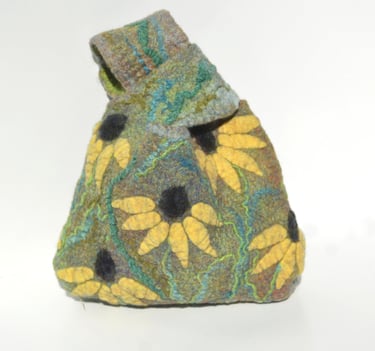
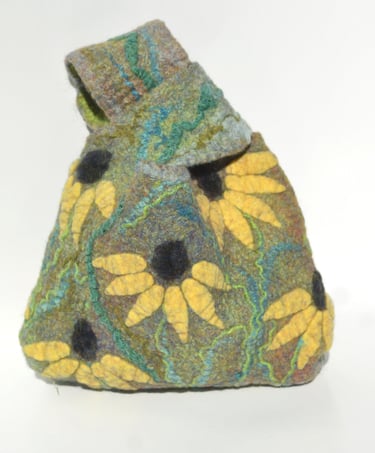
The Lamination Technique: You can use this sheer silk to cover and securely hold thicker or "stubborn" design elements that don't felt easily on their own—like felt pieces, thick yarns, scraps of accent fabric, or wool nepps. You lay down your own design, cover it with the rarefied silk (scrim), and felt it all together. Because the silk is so transparent, your design shines right through while the silk works behind the scenes to "laminate" and hold everything in place. (You can see beautiful examples of this technique in the photos of my own work and my students' creations below!) My workshops information and more students work pictures
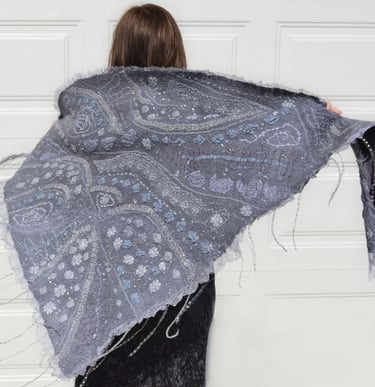
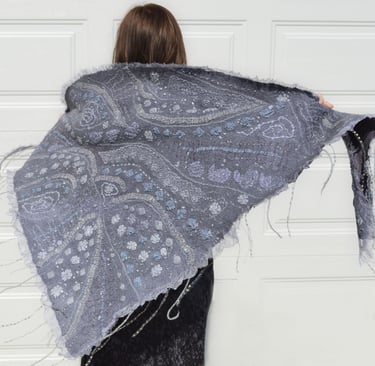
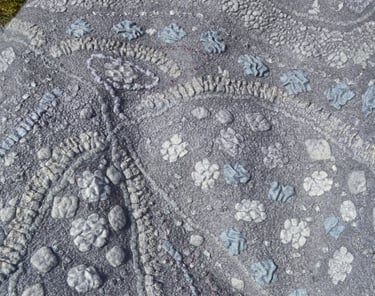
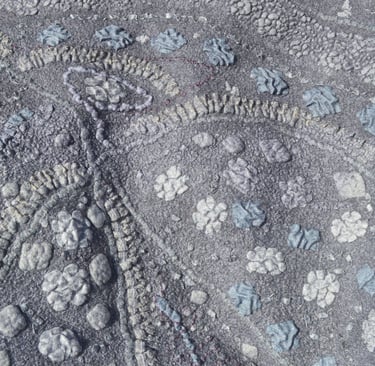
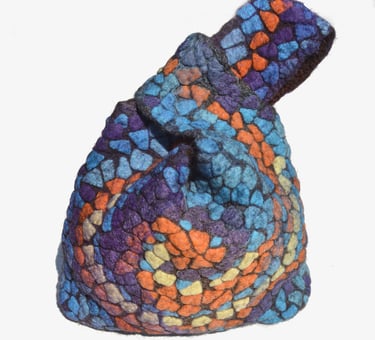
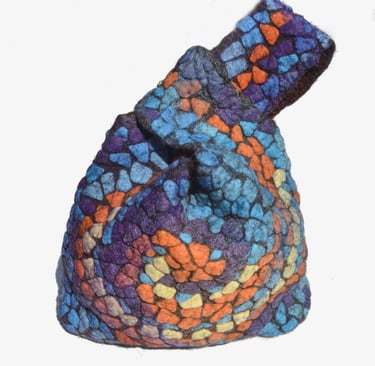
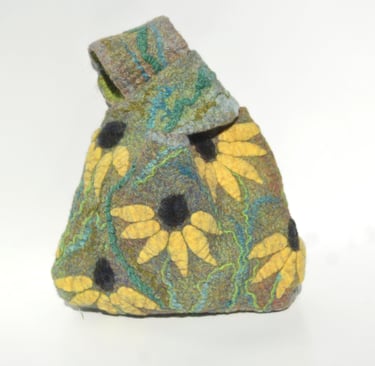
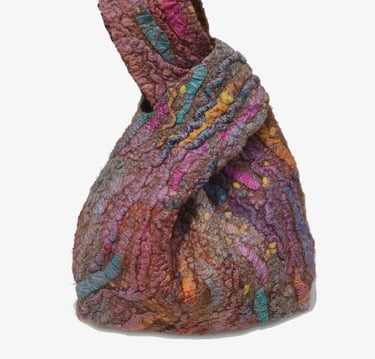
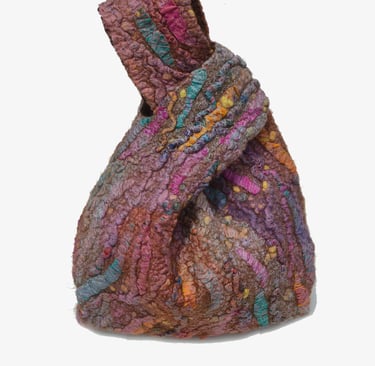
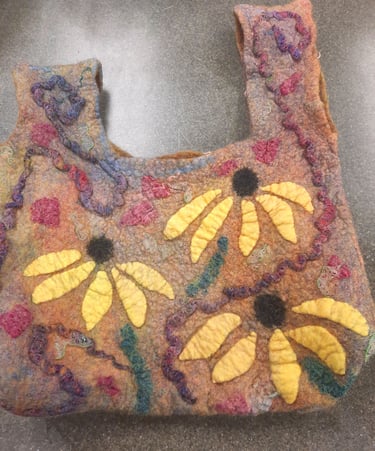
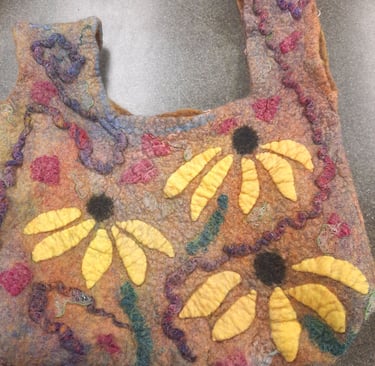
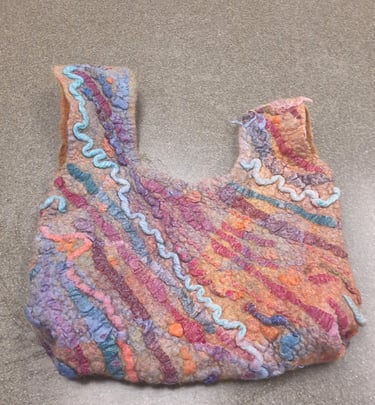
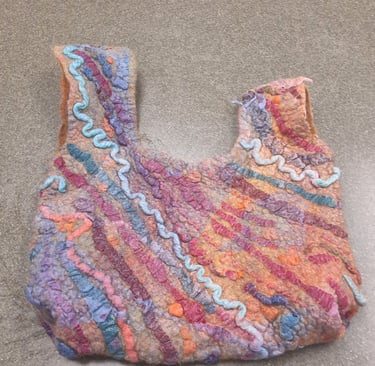
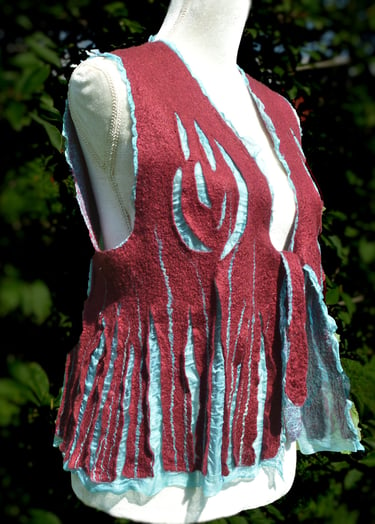
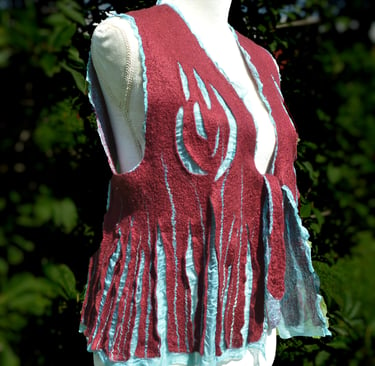
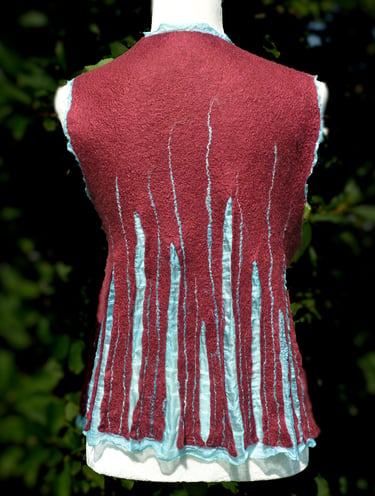
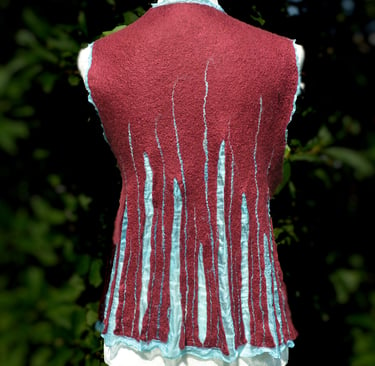
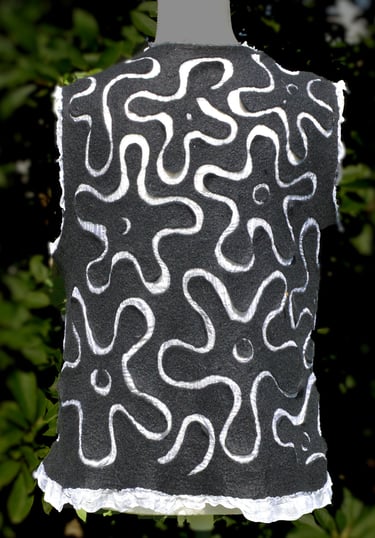
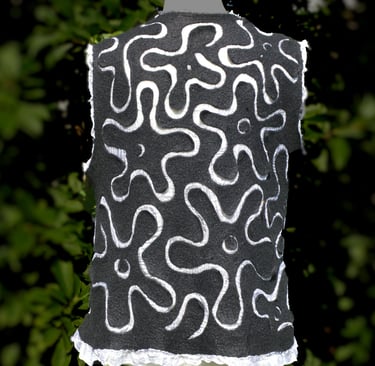
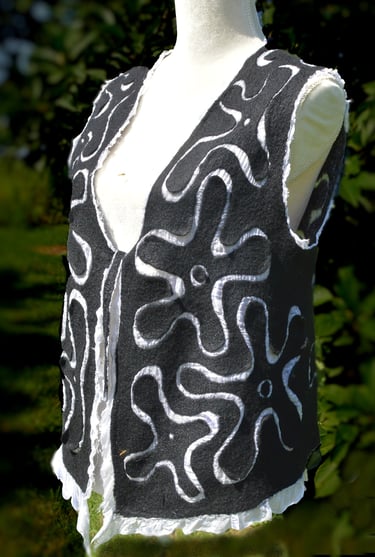
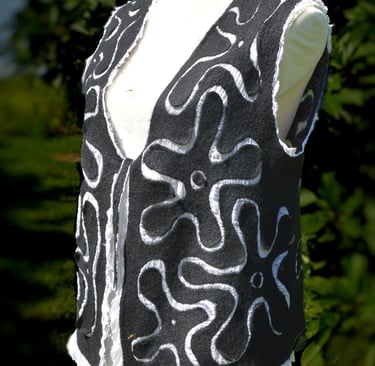
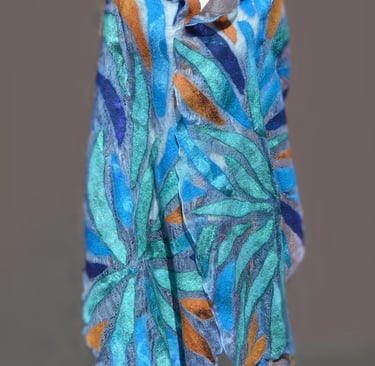
The Stained Glass Technique: This is such an artistic method! You prepare your pre-felt, cut it into crisp shapes, lay them onto the silk in your desired pattern, and felt them together. After felting, the surrounding silk looks like a delicate cobweb or fine lace, making the whole piece feel incredibly light, flowing, and painterly.
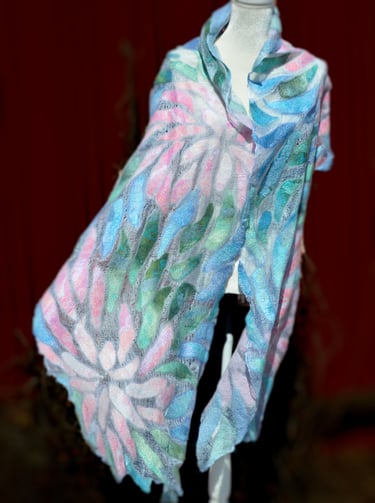
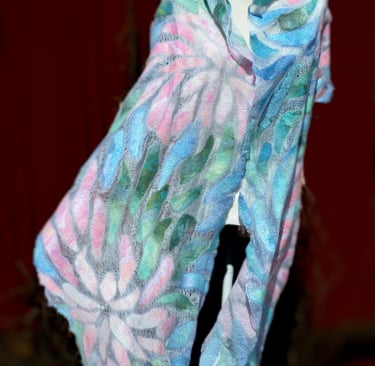
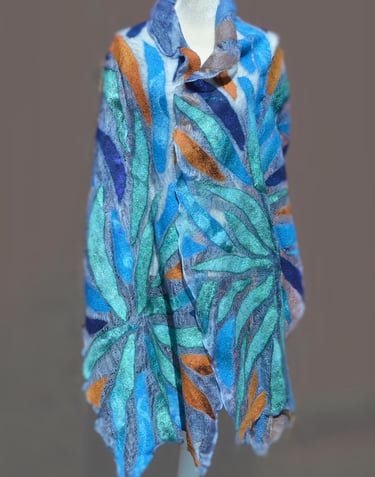
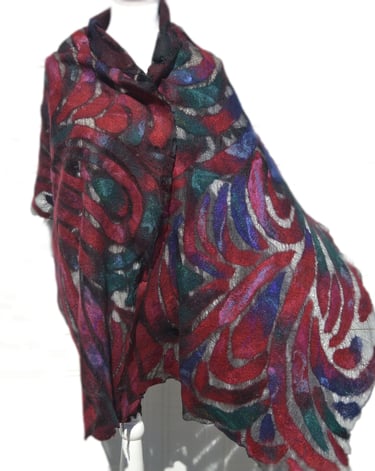
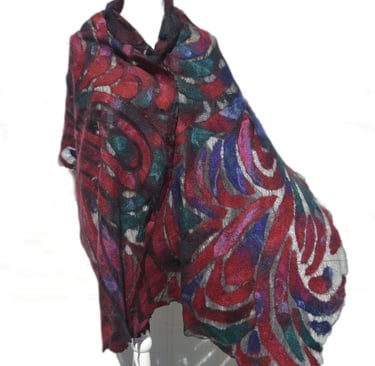
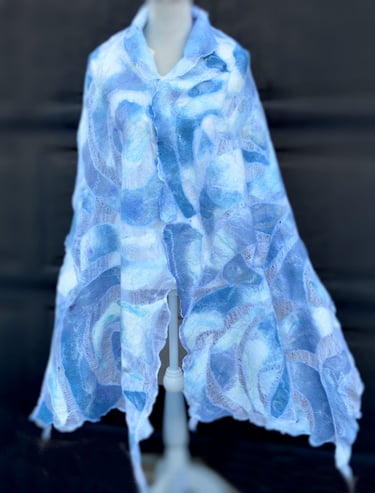
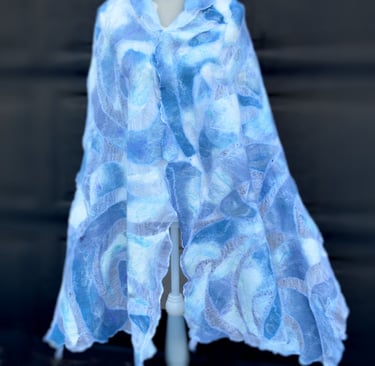
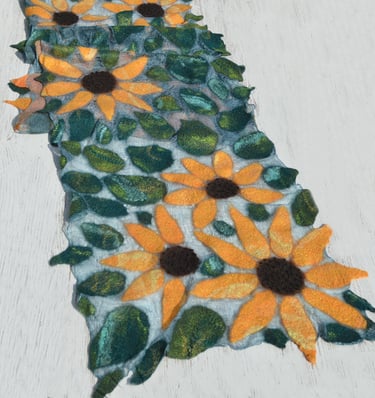
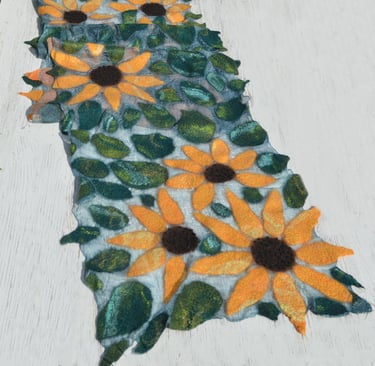
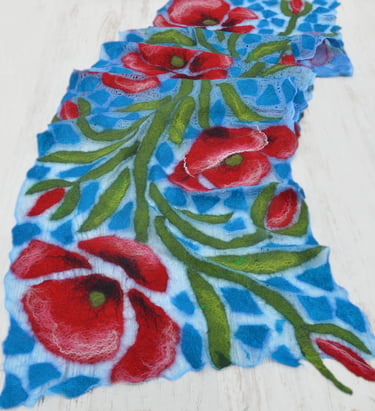
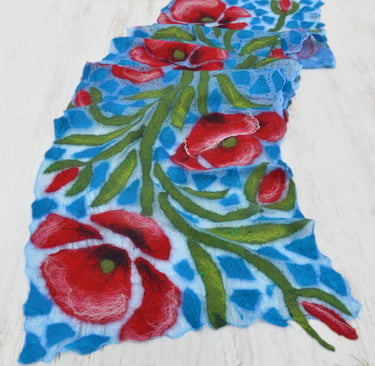
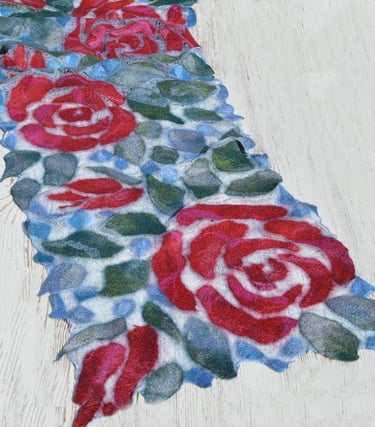
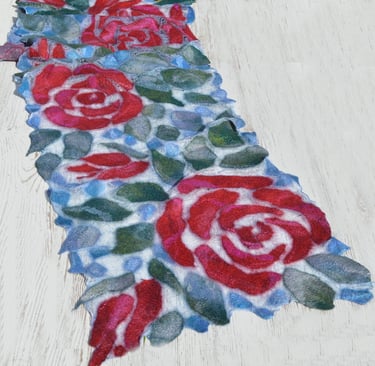
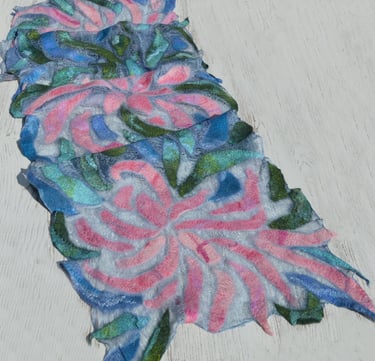
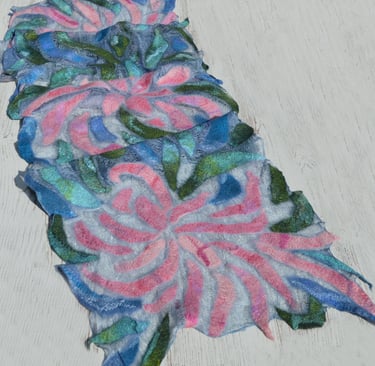
The Cobweb Technique: Use this silk as your backing fabric, lay down a very small, cloud-like amount of wool on the top of the silk, and add all the embellishments and decor your heart desires. After felting, you will have a gossamer-light, see-through piece that drapes and flows elegantly.
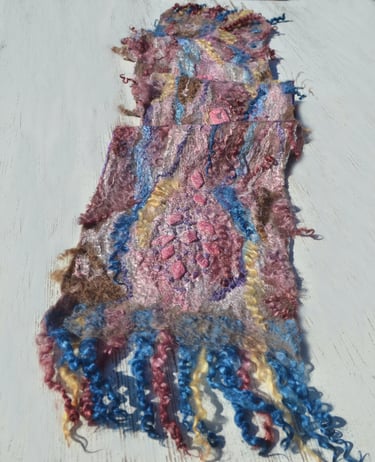
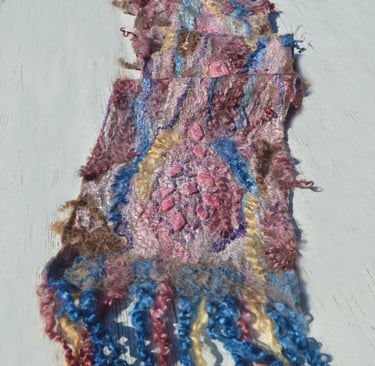
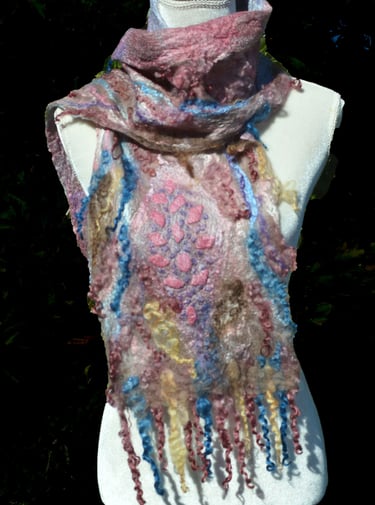
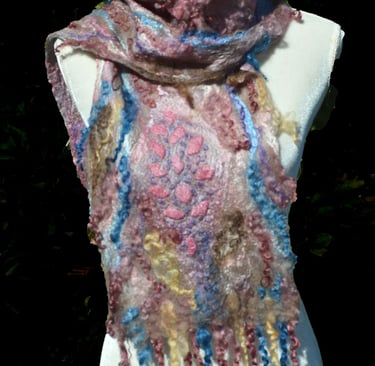
Delicate Embellishments: You can use small pieces of this silk (especially if you have leftover pieces from different projects) to add targeted pops of color, texture, and a soft luster to specific areas of your project
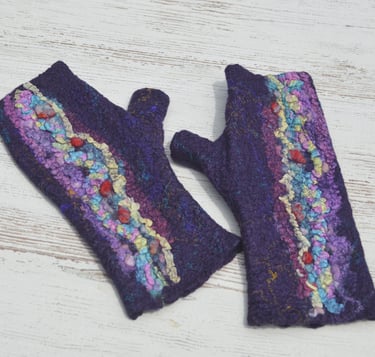
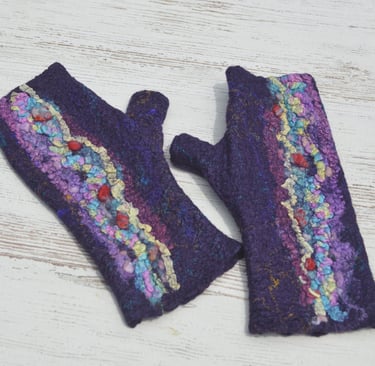
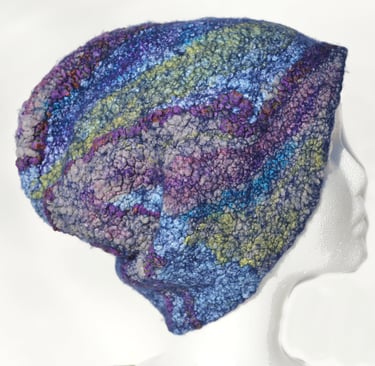
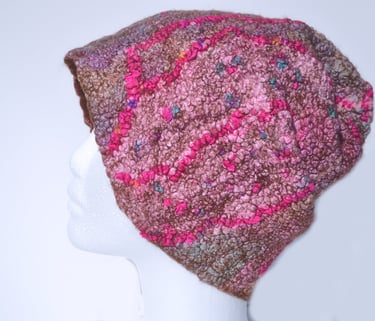
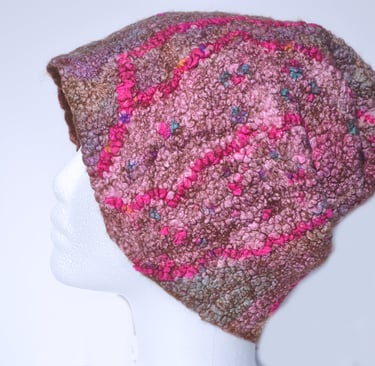
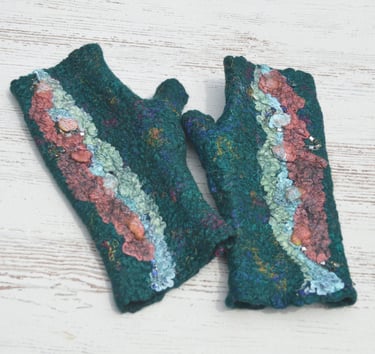
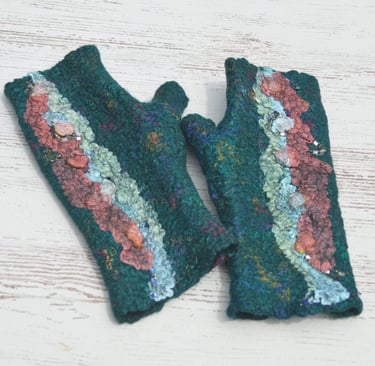
Creating Folds and Waves: You can easily manipulate this fabric into folds and wrinkles during layout to create rich, high-relief dimensional texture in your final felt
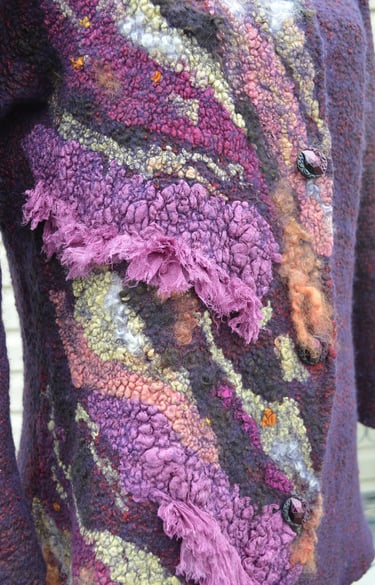
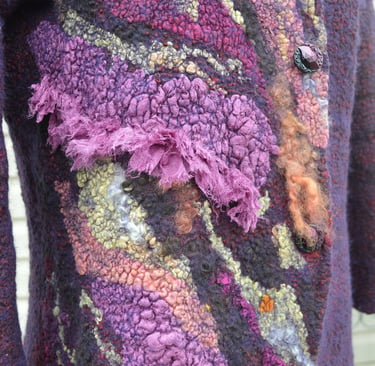
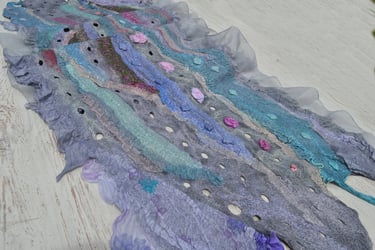
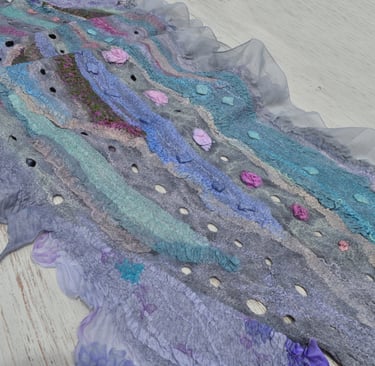
Garment Stabilization: Silk scrim is fabulous for structural stabilization. I love using it as a lining on the back of my wearable garments. It allows me to create a much thinner, more fluid felt that is highly stable and won't stretch out of shape over time.
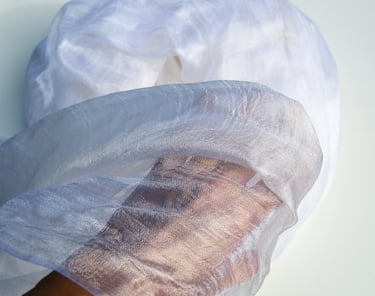
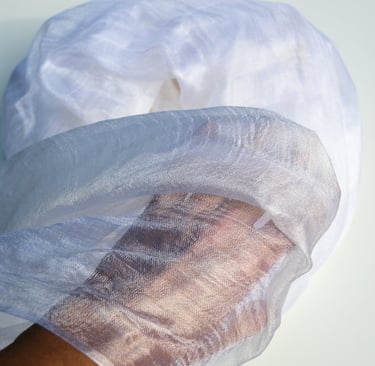
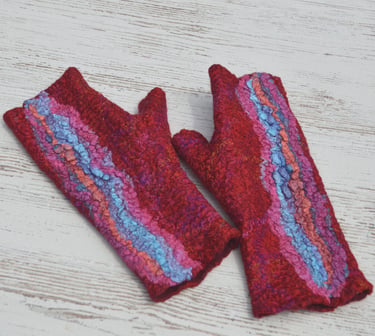
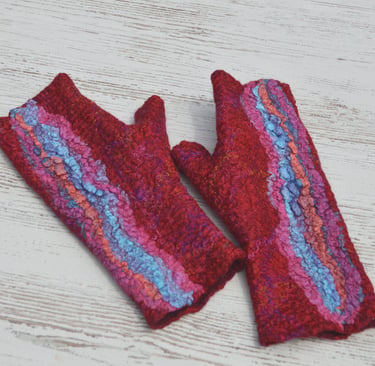
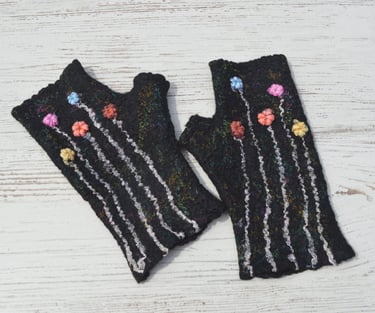
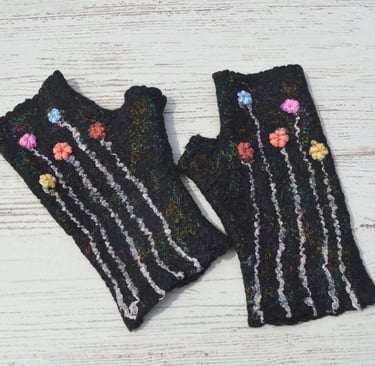
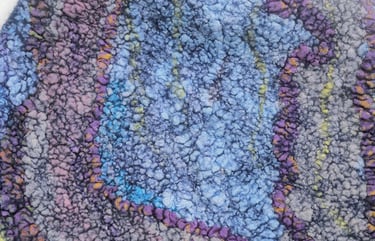
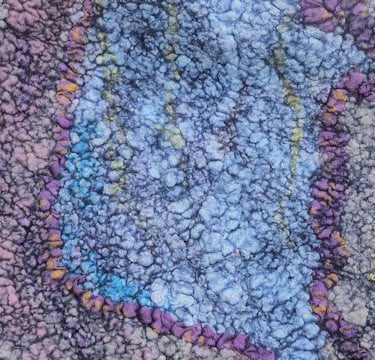
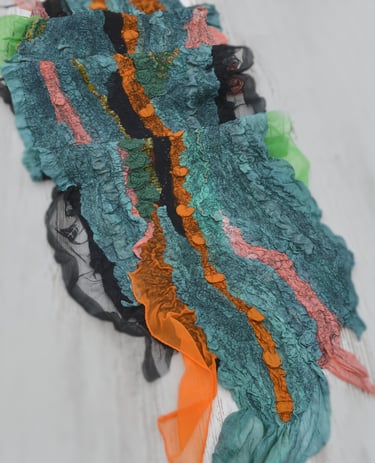
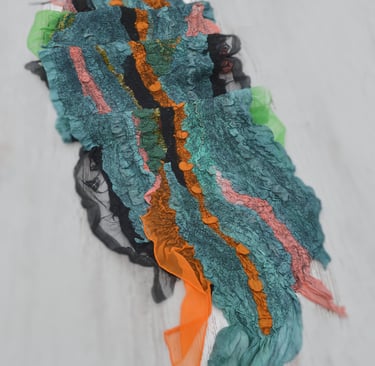
With a density of 15–16 grams per square meter (1 momme - 4.34 grams per square meter), this silk gauze has a bit more body and density compared to the ultra-thin scrim. It is elegant, lightweight, easy to dye, and boasts a brilliant, natural pearl shine that stays gorgeous even after the felting process is complete. Because it is a little thicker, it creates a much more pronounced, rippled texture when the wool shrinks.
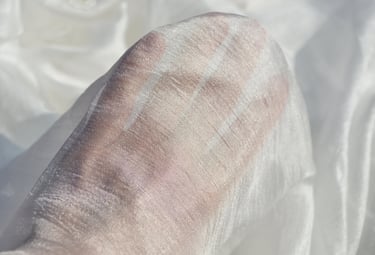
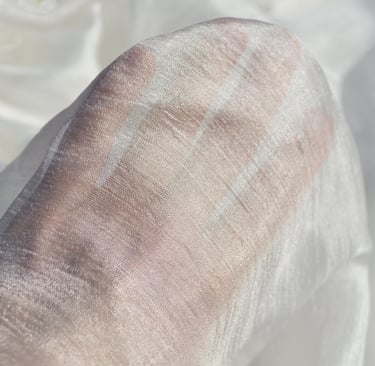
Effects and Surfaces You Can Create with Silk Gauze
Texture-Rich Lamination: Just like with the scrim, you can laminate felt pieces, yarn, and fabrics between this silk and your wool layout. While it is less transparent than the scrim, it creates an incredibly rich, crinkled texture on the surface. This is the exact silk I use in my live workshops for teaching students how to make a lightweight nuno-felted scarf! My workshops
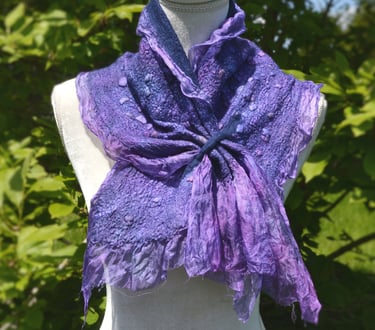
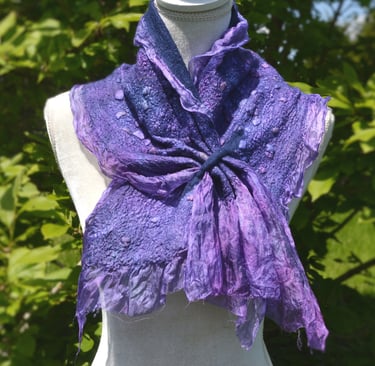
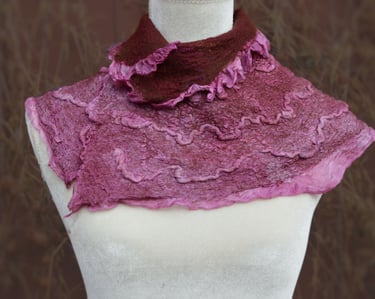
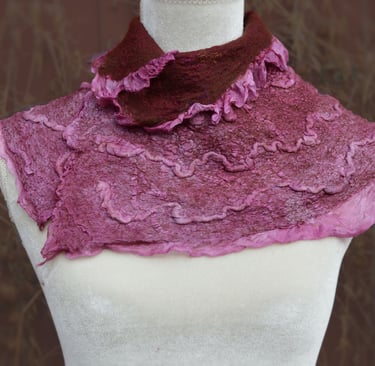
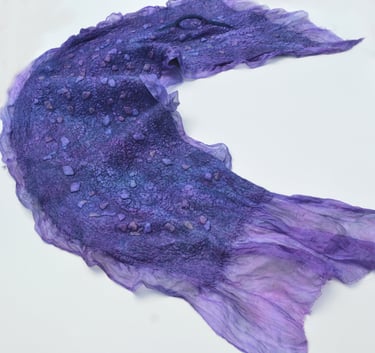
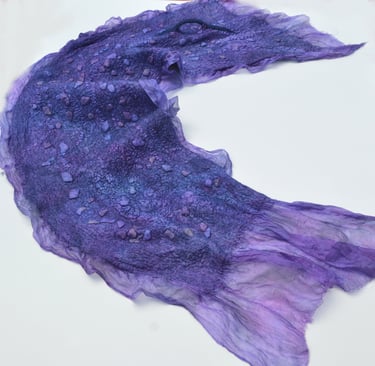
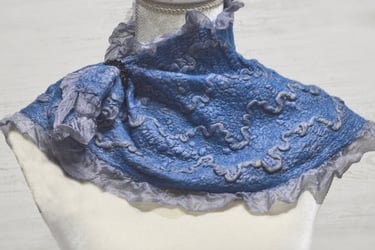
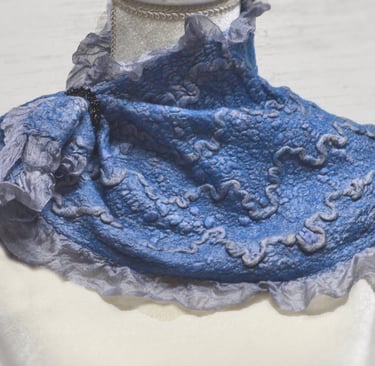
Flowing Scarf Ends: Use this silk as the backing for a scarf, but leave the ends completely uncovered by wool. The exposed silk ends will catch the wind, adding stunning movement, drape, and luster to your wearable art.
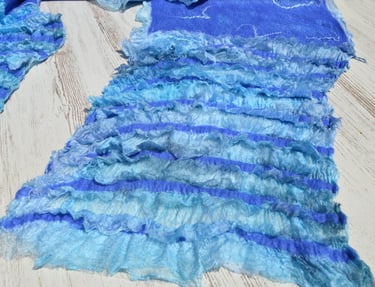
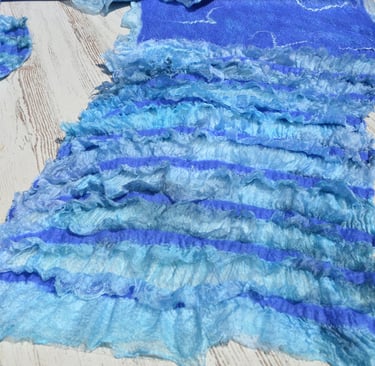
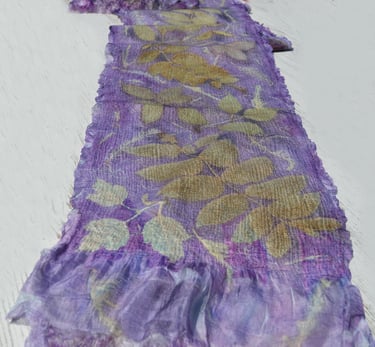
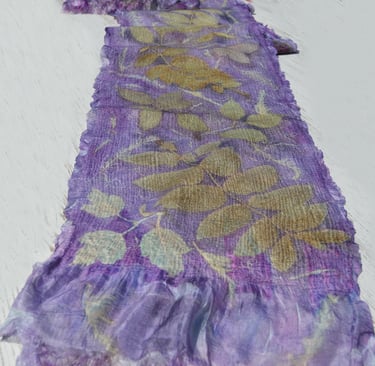
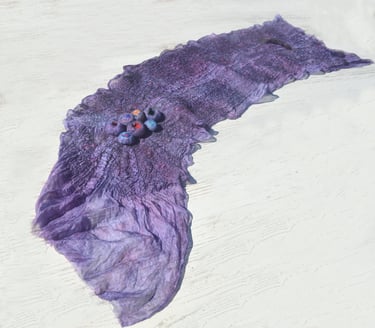
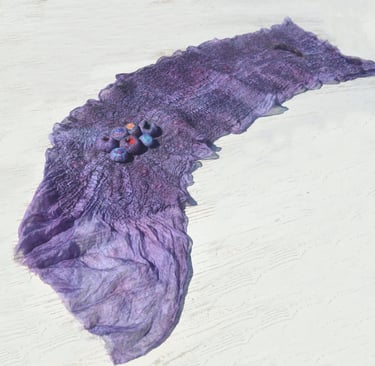
Botanical Prints: This silk takes dye beautifully, whether you use acid dyes or natural dyes. Personally, I love to felt a piece with this silk on one side, and then print the silk side with real leaves. It creates wonderfully crisp, clear, and beautiful botanical prints.
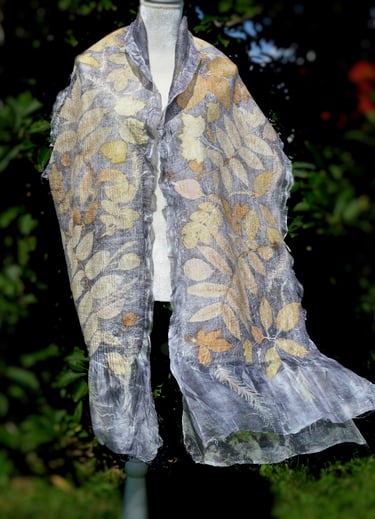
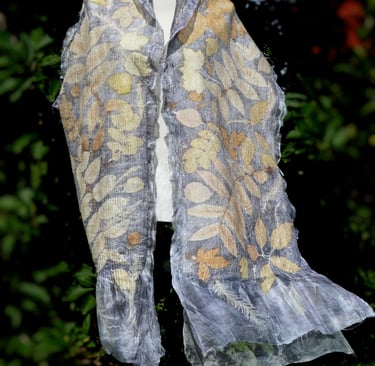
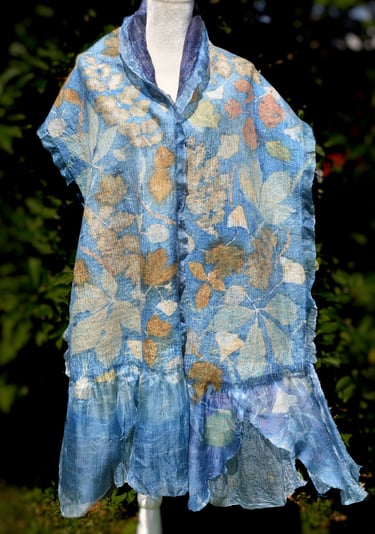
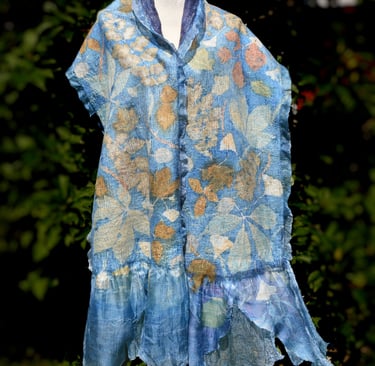
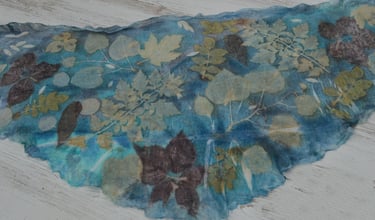
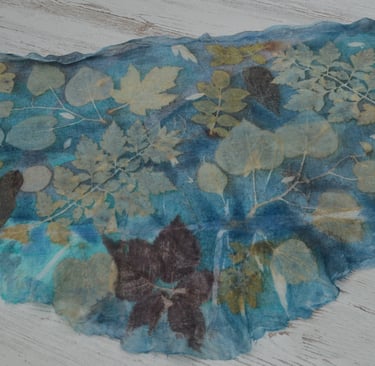
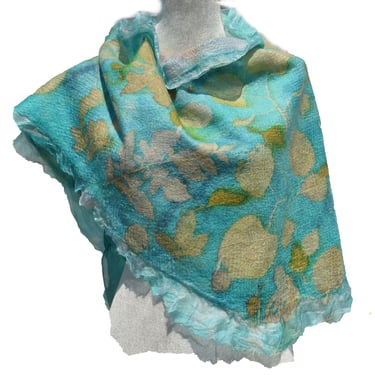
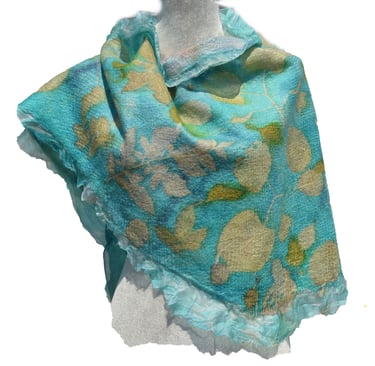
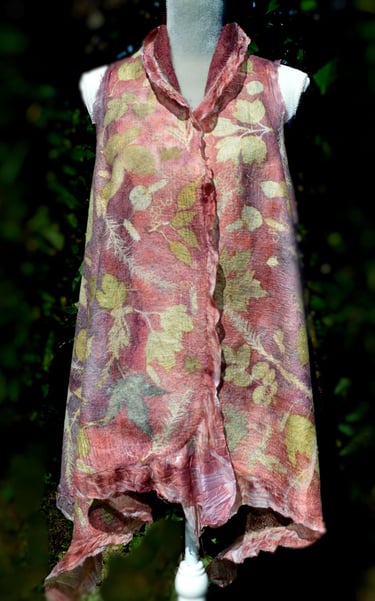
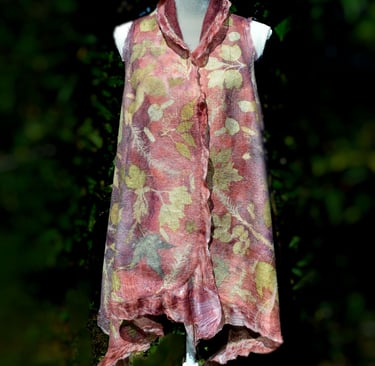
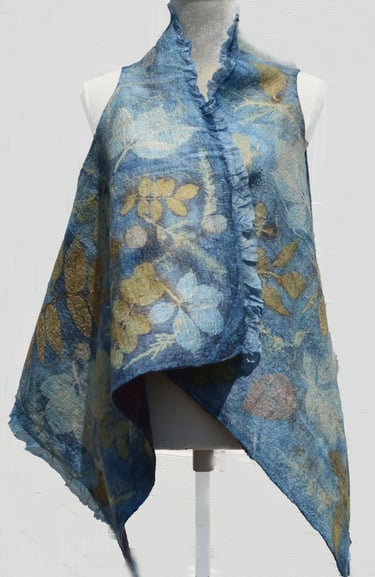
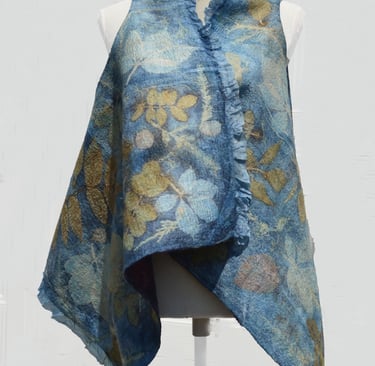
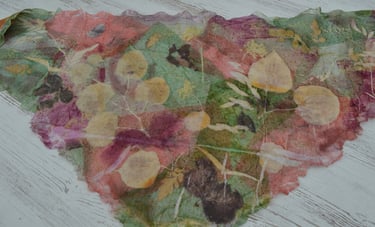
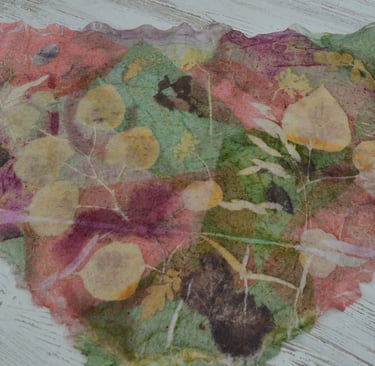
Creating Folds and Waves: Just like with silk rarefied you can easily manipulate this fabric into folds and wrinkles during layout to create rich, high-relief dimensional texture in your final felt.
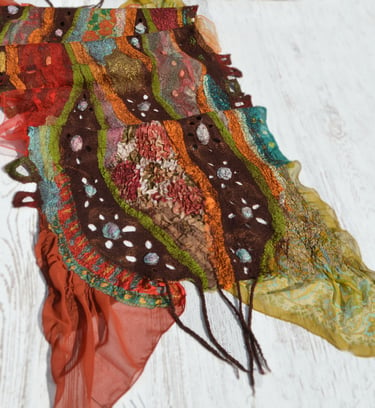
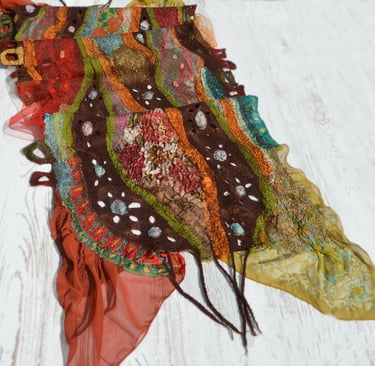
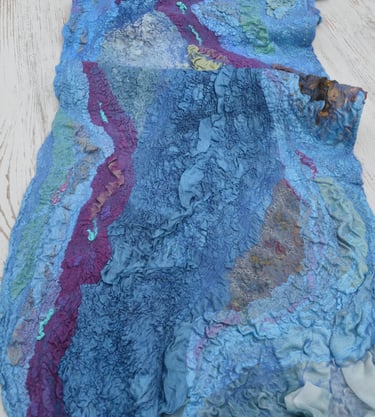
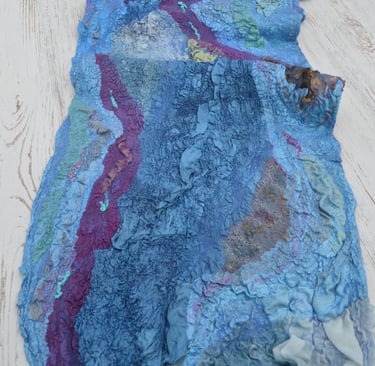
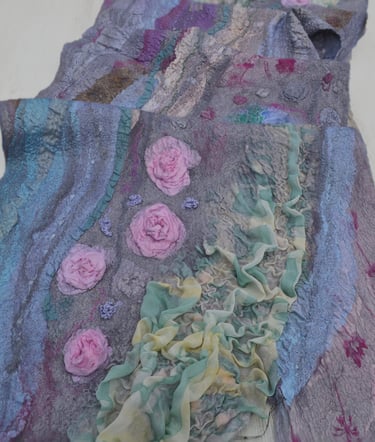
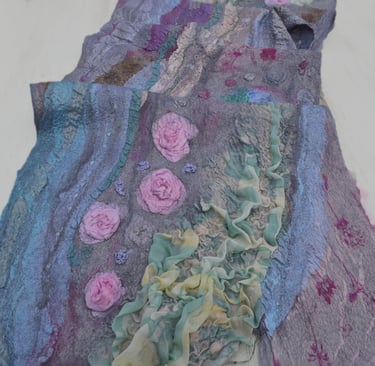
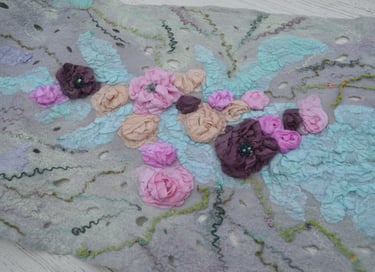
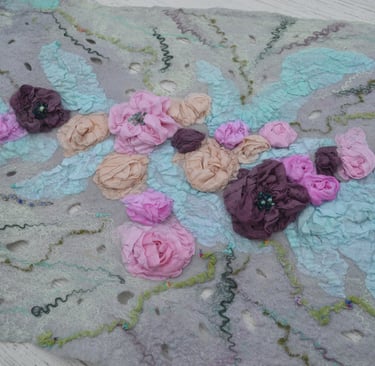
Organza is the original type of the fabric. Silk density 7-8g/sq meter (1 momme - 4.34 grams per square meter). Unlike the other silks, organza has a natural crispness and stiffness. It is very sheer, strong, and durable with a firm "hand" and a flat, smooth texture. Crucially, this open weave is naturally stiff without the addition of any chemical stiffeners or starches—it is completely unbleached and un-softened. Colors of this fabric is natural off white, beige, unbleached.
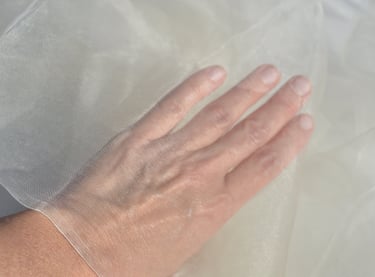
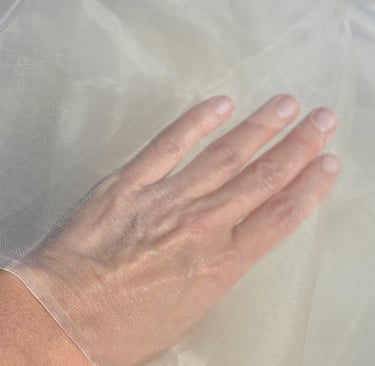
How to Use Silk Organza Gauze Rarefied:
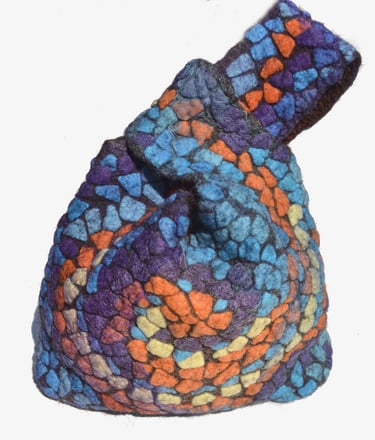
Lamination: I personally love using this silk when I want a project to keep its crisp structure while remaining transparent. Just like the scrim, it is sheer enough that you can laminate your decorations underneath it, and every bit of your gorgeous decor will be visible after felting.
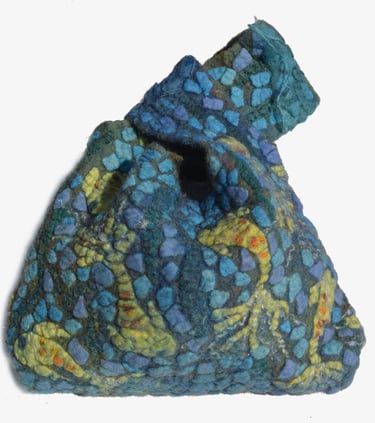
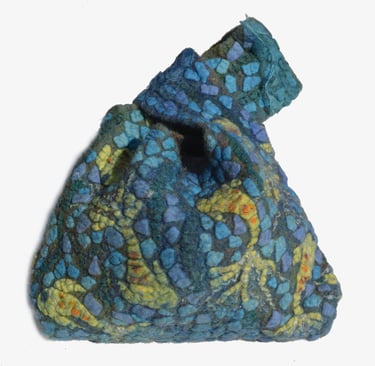
Hold Shapes: Organza works for fiber art where you want the object to hold its own shape (collars, or sculptural wearable art).
My Tips for Working with Margilan Silk
Silk gauze rarefied very open and lightweight and easy to manipulated, you can intentionally bunch, cluster, and overlap layers during layout to create beautiful, high-relief textures, use different colors of silk, overlap them and create blended new tones and colors!
For each new project test your fibers and materials, and create a small about 10x10inch sample swatch first to see exactly how much your specific wool will shrink and ripple against the silk, and how your fiber, fabric, and embellishments will incorporate together.
Frequently Asked Questions
Why does authentic Margilan silk feel so different from factory silk? It has a unique, delicate "tooth" and an organic, uneven weave. This open structure allows the wool fibers to grab hold and lock into place much faster and more easily than smooth, tightly woven factory-made silk. Margilan silk made by using ancient technology for fabric production and cocoon unwinding; the process yields a continuous, natural thread, enabling the weaving of such fine fabrics. Margilan thread is all natural, it retains more all silk qualities.
Can I dye this silk myself? Absolutely! Because it is a 100% natural protein fiber, it absorbs professional acid dyes, and natural botanical plant dyes beautifully. But if you need already dyed silk you just contact me and I can dye silk for you.
Is it really beginner-friendly? Yes, 100%! I use this exact silk in my live workshops where many of my students are touching fiber for the very first time, and everyone gets wonderful results. In fact, I think it is much easier for a beginner to start their wet felting adventure using these silks. Why? Because a beginner’s wool layout isn't always perfectly even. A silk backing acts like a safety net, preventing holes from forming in your felt and giving you instant, beautiful results right away. You can see my students result here
Ready to transform your next creative project?
Shop my collection of authentic handwoven Margilan Silk here and experience the incredible difference that artisan quality makes in your craft.
A Note on Authenticity
At MriyaWeave, I source my Margilan silk directly from the Margilan city in Uzbekistan. When you work with this fabric, you aren't just using a supply from a store; you are connecting with a centuries-old tradition of human hand-weaving. You can truly feel the history, care, and intention in every thread.
Cut-out décor – special effect created when you use silk fabric as a backing, then arrange pieces of "resist" (like cut-out foam or plastic) in your desired pattern directly onto the silk. Cover the entire surface—resists and all—with a layer of wool and decorative fiber such as – silk fiber, viscose fiber, Mawata silk hankies, ect. Felt it for a while; create a stable felt. Then cut out the hidden resist shapes to reveal the silk underneath; then, felt newly cut edges to smooth them out. The result is a stunning finish where the silk scrim appears as a delicate, ethereal cobweb peeking through your felted design.
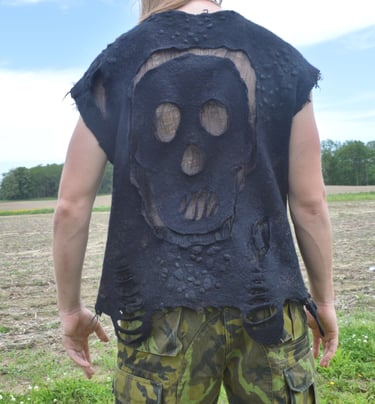
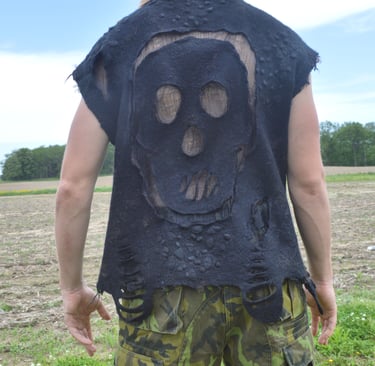
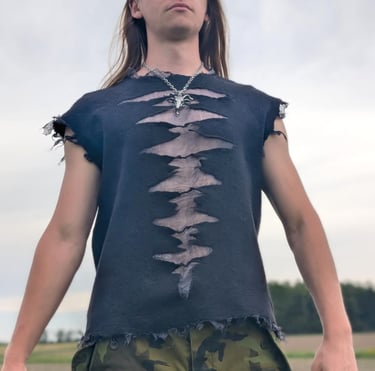
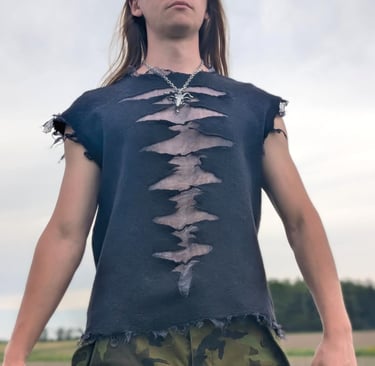
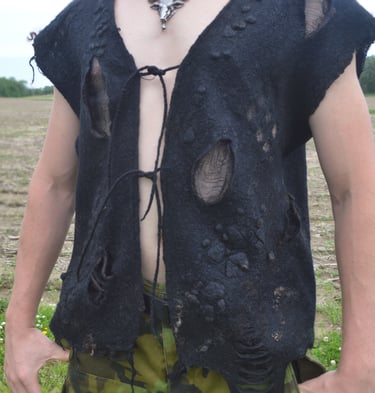
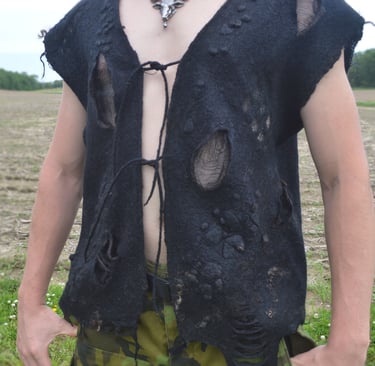
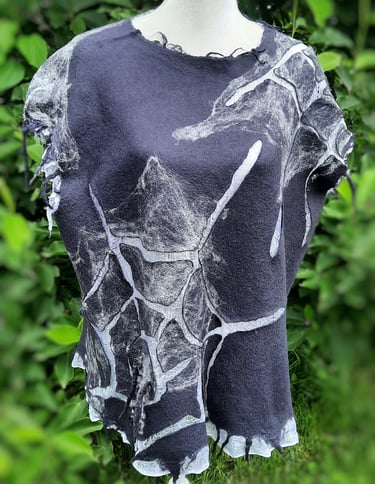
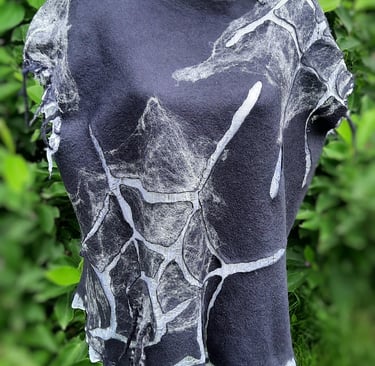
Cut out decor - same as with silk gauze rarefied you can use resist between silk backing and wool layout, create the stable felt, then cut out the resist, and smooth the cut edges out. This silk have more density, and have more vibrant color after dying - when you open silk it will show different color and contrast. Besides it make felt more light and flow.